Exploring Unique Cultures Through Culinary Experiences
Food is more than just sustenance; it is a reflection of culture, history, and identity. Each dish tells a story, revealing the traditions and values of the people who create it. As we travel the world, we can explore unique cultures through their culinary experiences. This blog post will take you on a journey through various cuisines, highlighting how food connects us to different cultures and offering practical tips for experiencing these culinary delights.
The Connection Between Food and Culture
Food is often at the heart of cultural identity. It serves as a medium for expressing heritage, community, and even social status. Here are some ways food connects us to culture:
Tradition: Many recipes are passed down through generations, preserving the history and customs of a community.
Celebration: Food plays a central role in festivals and celebrations, marking significant events in a culture's calendar.
Social Interaction: Sharing a meal fosters connections among people, creating bonds that transcend language and geography.
Understanding these connections can enhance our appreciation of the culinary experiences we encounter.
Culinary Experiences Around the World
1. Italian Cuisine: A Taste of Tradition
Italian cuisine is renowned for its regional diversity and emphasis on fresh ingredients. From the rich pastas of Bologna to the seafood dishes of Sicily, each region offers a unique culinary experience.
Must-Try Dishes:
- Pasta alla Bolognese: A hearty meat sauce served with tagliatelle.
- Arancini: Fried rice balls filled with cheese and meat, originating from Sicily.
To truly experience Italian culture, consider taking a cooking class in a local trattoria. This hands-on approach allows you to learn traditional techniques while enjoying the company of locals.
2. Japanese Cuisine: Harmony and Balance
Japanese food emphasizes simplicity and seasonal ingredients, often focusing on presentation and balance. The concept of "umami," or the fifth taste, is central to many dishes.
Must-Try Dishes:
- Sushi: Vinegared rice paired with various ingredients, including raw fish.
- Ramen: A flavorful noodle soup that varies by region.
Visiting a traditional izakaya (Japanese pub) can provide an authentic experience, where you can sample a variety of small dishes while enjoying the lively atmosphere.
3. Mexican Cuisine: A Celebration of Flavors
Mexican cuisine is a vibrant blend of indigenous and Spanish influences, characterized by bold flavors and colorful presentations.
Must-Try Dishes:
- Tacos al Pastor: Marinated pork served in corn tortillas with pineapple and cilantro.
- Mole Poblano: A rich sauce made from chocolate, spices, and chili peppers.
Participating in a local food festival can immerse you in the culture, allowing you to taste various dishes and learn about their significance.
4. Indian Cuisine: A Spice Odyssey
Indian food is known for its complex flavors and use of spices. Each region has its own specialties, influenced by local ingredients and traditions.
Must-Try Dishes:
- Biryani: A fragrant rice dish cooked with meat and spices.
- Dosa: A thin, crispy pancake made from fermented rice and lentils.
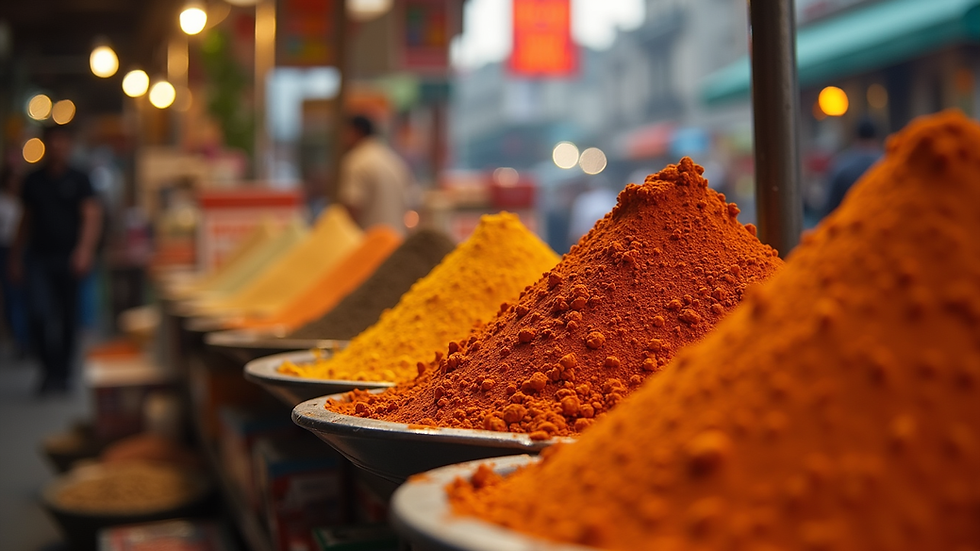
Exploring a local market can be an enlightening experience, where you can discover spices and ingredients unique to the region.
5. Middle Eastern Cuisine: A Fusion of Cultures
Middle Eastern cuisine is a melting pot of flavors, influenced by various cultures and traditions. It often features fresh herbs, spices, and a variety of cooking techniques.
Must-Try Dishes:
- Hummus: A creamy dip made from chickpeas, tahini, and olive oil.
- Kebabs: Grilled meat skewers seasoned with spices.
Dining in a traditional meze restaurant allows you to sample a variety of small dishes, fostering a communal dining experience.
Practical Tips for Experiencing Culinary Cultures
1. Engage with Locals
One of the best ways to experience a culture is to engage with its people. Ask locals for recommendations on where to eat, and don’t hesitate to strike up conversations about their culinary traditions.
2. Take Cooking Classes
Participating in a cooking class can provide insight into the techniques and ingredients that define a cuisine. This hands-on experience allows you to recreate dishes at home, keeping the culture alive.
3. Visit Local Markets
Exploring local markets is a fantastic way to discover fresh ingredients and learn about regional specialties. Take the time to observe how locals shop and prepare their meals.
4. Attend Food Festivals
Food festivals offer a unique opportunity to taste a variety of dishes and learn about their cultural significance. These events often feature cooking demonstrations, tastings, and cultural performances.
5. Be Open-Minded
When exploring new cuisines, approach each dish with an open mind. You may discover flavors and ingredients that surprise you, enriching your culinary journey.
Conclusion
Exploring unique cultures through culinary experiences is a rewarding journey that deepens our understanding of the world. Each dish tells a story, connecting us to the people and traditions behind it. By engaging with locals, participating in cooking classes, and immersing ourselves in food festivals, we can create lasting memories and broaden our culinary horizons. So, the next time you travel, remember to savor the flavors and stories that each meal has to offer. Embrace the adventure of culinary exploration, and let your taste buds guide you through the rich tapestry of global cultures.


Comments